
Doctor Phone Boundaries: Why They Matter More Than Ever
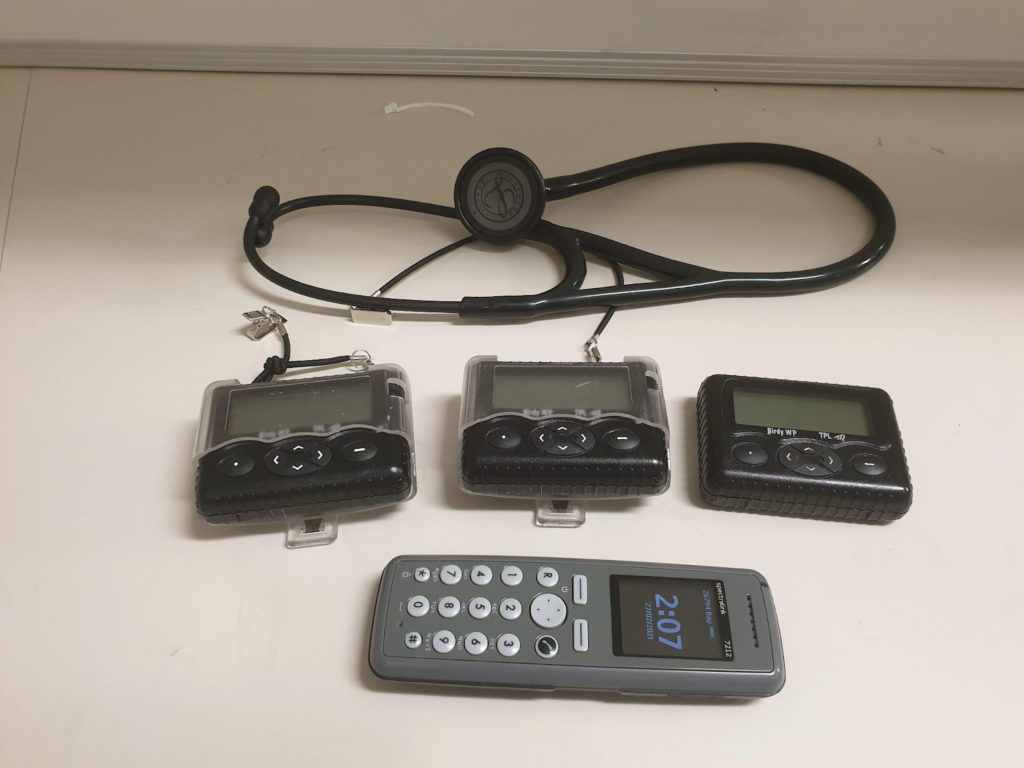
In today’s fast-paced healthcare environment, doctor phone boundaries are becoming more important than ever.
For most people, a phone is just a device. But for doctors, it represents constant responsibility—calls, messages, and concerns that don’t follow a schedule. Without clear boundaries, this constant connection can lead to stress, emotional exhaustion, and burnout.
Setting doctor phone boundaries isn’t just about managing time. It’s about protecting mental health, preserving personal life, and maintaining long-term effectiveness in the profession.
The Phone That Never Sleeps
It’s 2:07 in the morning.
A phone buzzes.
For many doctors, this is a familiar reality. The phone doesn’t just deliver messages—it brings urgency, responsibility, and pressure.
Without proper doctor phone boundaries, even rest becomes interrupted. Sleep is lighter. The mind stays alert. And over time, this constant disruption takes a toll.
When Being Available Becomes Your Identity
At some point, constant availability stops feeling like part of the job—and starts feeling like part of who you are.
Many doctors believe that always responding quickly means they are doing their job well. But this mindset makes it harder to establish doctor phone boundaries.
The thought often becomes:
“If I don’t answer, who will?”
This belief keeps doctors connected even when they need rest, making boundaries feel like neglect rather than necessity.
The Hidden Impact on Personal Life
The effects of weak doctor phone boundaries often show up in small, quiet moments:
- Checking your phone during dinner
- Losing focus in conversations
- Being physically present but mentally elsewhere
These small interruptions gradually affect relationships, reducing the quality of personal time and emotional connection.
The Illusion of Control
Staying connected may feel like staying in control—but it often creates the opposite effect.
Without strong doctor phone boundaries, doctors remain in a constant state of anticipation:
- Waiting for the next call
- Thinking about pending messages
- Feeling unable to relax fully
Even in silence, the mind stays active. This ongoing mental load contributes to long-term stress and burnout.
Why Doctor Phone Boundaries Are Hard to Set
There are several reasons why doctors struggle to maintain clear boundaries:
1. Responsibility Feels Personal
Every message represents a real person, making it difficult to delay responses.
2. Constant Availability Is Rewarded
Quick replies are often seen as dedication, reinforcing the habit of always being “on.”
3. Work Follows You Home
Without clear doctor phone boundaries, work extends beyond the hospital—into evenings, family time, and sleep.
The Silent Mental Load
There are moments no one talks about.
A doctor sits quietly, holding their phone—not using it, just holding it.
This reflects the mental weight of constant availability. Strong doctor phone boundaries are not just about reducing interruptions—they are about reducing this invisible pressure.
The Link Between Phone Boundaries and Burnout
A lack of doctor phone boundaries can lead to:
- Emotional exhaustion
- Mental fatigue
- Difficulty switching off
- Reduced personal well-being
This is a key contributor to doctor burnout, especially in a digitally connected world where work never truly stops.
How to Build Healthy Doctor Phone Boundaries
Creating better boundaries doesn’t mean ignoring responsibility—it means managing it sustainably.
Here are simple, effective steps:
- Avoid checking your phone during meals
- Set a specific “no interruption” time daily
- Delay non-urgent responses
- Be fully present with family and loved ones
Building doctor phone boundaries starts with small, consistent actions.
Choosing Presence Over Constant Availability
Imagine being fully present with your family—no distractions, no interruptions.
Strong doctor phone boundaries make this possible.
These moments are essential, not optional. They restore energy, improve relationships, and support mental well-being.
Conclusion: The Importance of Doctor Phone Boundaries
But every time it does, there is a choice.
Not between caring and not caring—but between reacting and living.
Doctor phone boundaries are not about doing less—they are about living better while continuing to care effectively.
The true strength of a doctor lies not just in responsiveness but in the ability to protect their own time, health, and humanity.
Final Thought
A phone should be a tool you use—not something that controls you.
And sometimes, the most powerful decision a doctor can make is simple:
To put it down.