A Complete Guide for Parents
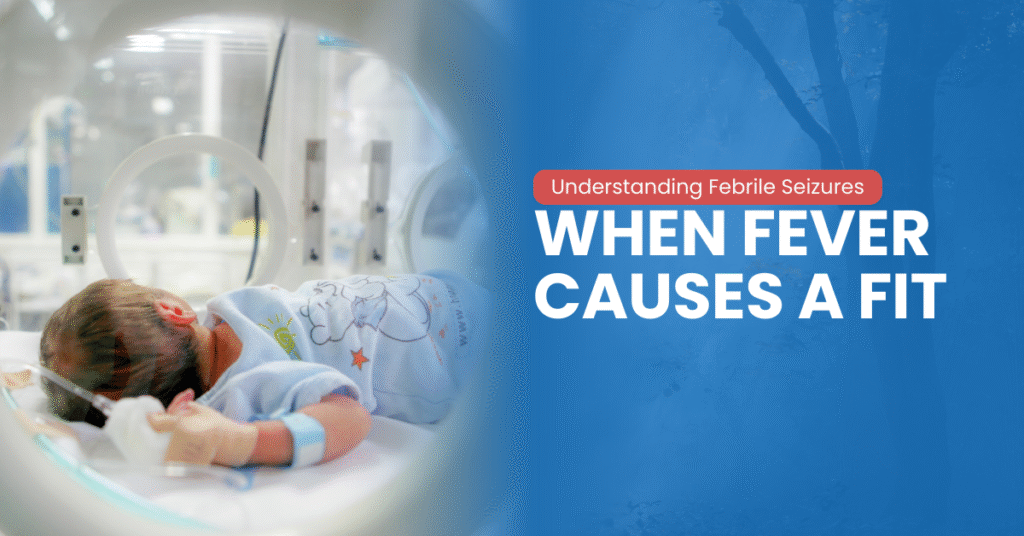
Seeing your child suddenly stiffen, shake, or lose consciousness during a fever is one of the most frightening moments any parent can experience. Many families describe it as the worst few seconds of their lives. The good news is that most of these episodes are febrile seizures—a common childhood event that looks dramatic but is typically harmless and temporary.
This guide explains what febrile seizures are, why they happen, how to respond, and when to seek urgent help. With the right information, parents can handle these moments with much more confidence and calm.
What Are Febrile Seizures?
A febrile seizure is a fit or convulsion triggered by a sudden rise in body temperature, usually during a common infection. These seizures:
- Happen in children 6 months to 5 years old, most commonly around 18 months.
- Occur with frequent childhood illnesses such as:
- Viral colds
- Flu
- Ear infections
- Roseola
- Throat infections
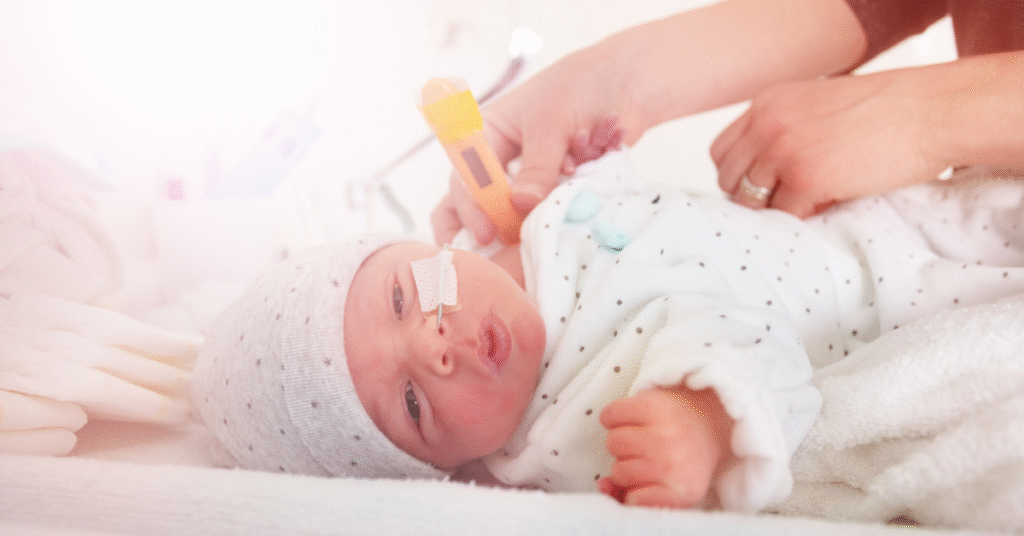
Even though the seizure is linked to fever, it is not caused by how high the fever is, but by how quickly the temperature rises.
Most importantly, febrile seizures are not epilepsy, do not cause brain damage, and do not affect a child’s intelligence or development.
Why Do Febrile Seizures Happen?
Children’s brains are still developing, especially in the first few years of life. During this time, the brain is more sensitive to rapid changes in temperature. A quick jump in fever, often before parents even realize the child is sick, can trigger this reaction.
Key points for parents:
- It is a temporary sensitivity.
- Most children completely outgrow febrile seizures by age 5.
- Having one febrile seizure does not mean the child has epilepsy or will develop it later.
Genetics can play a small role too. If a parent or sibling had febrile seizures, the chances slightly increase, but the condition is still benign.
What a Febrile Seizure Looks Like
Most febrile seizures are known as simple febrile seizures, meaning they are short, harmless, and occur in otherwise healthy children. Parents commonly report:
- Sudden stiffening or tightening of the body
- Jerking or rhythmic shaking of the arms and legs
- Eyes rolling upward
- Loss of consciousness
- Drooling or foaming around the mouth
- A brief episode, usually less than 1–2 minutes
- Sleepiness afterward, known as the post-ictal phase
Although the event may feel endless to a parent, most seizures stop quickly and children usually recover fully within minutes.
What You Should Do During a Seizure
Your immediate actions can help keep your child safe. These steps form a calm, clear protocol during a frightening moment:
- Place your child on their side (recovery position).
This helps keep the airway open and prevents choking. - Keep the head tilted slightly back for easy breathing.
- Loosen tight clothing, especially around the neck.
- Stay close and observe what is happening—duration, movements, breathing.
This information helps doctors later. - Do NOT
- Put anything in the child’s mouth
- Try to stop the movements
- Shake the child
- Give food, drink, or medicine during the seizure
These actions can cause injury or harm. Most seizures end on their own without intervention.
When to Seek Emergency Help
Although most febrile seizures are safe, certain situations require urgent medical attention. Go to the emergency department or call for help if:
- The seizure lasts more than 5 minutes
- Your child is having trouble breathing
- They remain very drowsy or confused for a long time after the seizure
- This is the first seizure your child has ever had
- Your child is younger than 6 months
- You notice signs of meningitis, such as:
- Extreme irritability or lethargy
- Stiff neck
- Persistent vomiting
- Unusual rash
- Severe headache in older children
Trust your instincts. It is always reasonable to seek medical care if you are unsure.
Can Medicine Prevent Febrile Seizures?
Parents often try to control fever quickly, hoping to prevent another seizure. While paracetamol or ibuprofen can make a child more comfortable, they do not prevent febrile seizures. This finding is consistent across pediatric guidelines worldwide.
The focus should be on comfort, hydration, and monitoring, not on trying to stop seizures from happening.
Will It Happen Again?
About one out of every three children who have had a febrile seizure may experience another one during a future fever. This risk slowly decreases as the child grows. By school age, most children have completely outgrown this tendency.
There are no long-term effects on learning, behavior, or brain function.
A Reassuring Message for Parents
A febrile seizure can make time feel frozen. Your heart may pound, your mind may race, and it’s natural to fear the worst. But here is the truth every parent needs to hear:
A febrile seizure is frightening to watch, but it is rarely dangerous.
Most children recover quickly, continue to grow normally, and lead completely healthy lives.
With calm actions, basic first aid, and appropriate medical review, you can navigate these moments safely. Knowledge turns fear into control, and confidence is one of the best tools a parent can have.