Dengue Fever in Children: What Parents Need to Know
Dengue fever has become one of the most common illnesses affecting children across many Asian countries. Every year, outbreaks lead to school absences, emergency visits, and, in some cases, serious complications that require hospitalization. While most children recover fully, early recognition and proper home care are extremely important. This guide explains dengue in simple, clear language to help parents feel more prepared and confident.
What Is Dengue Fever?
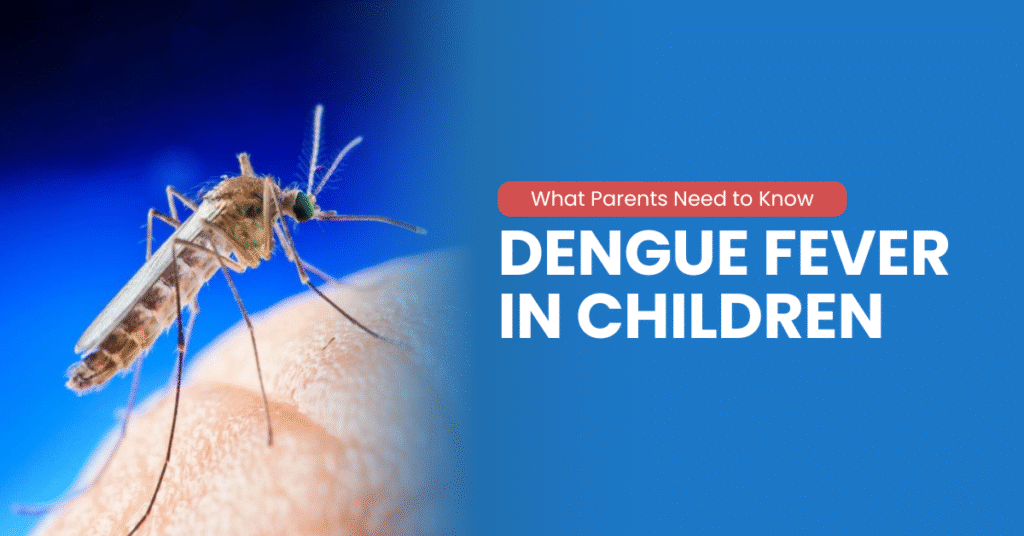
Dengue is a viral infection spread by the Aedes mosquito, which usually bites during the daytime. These mosquitoes are common in warm, humid areas and breed in standing water, such as flowerpots, buckets, water tanks, and even bottle caps left outdoors.
Dengue from person to person. A child can only get dengue if bitten by an infected mosquito.
What Are the Early Symptoms?
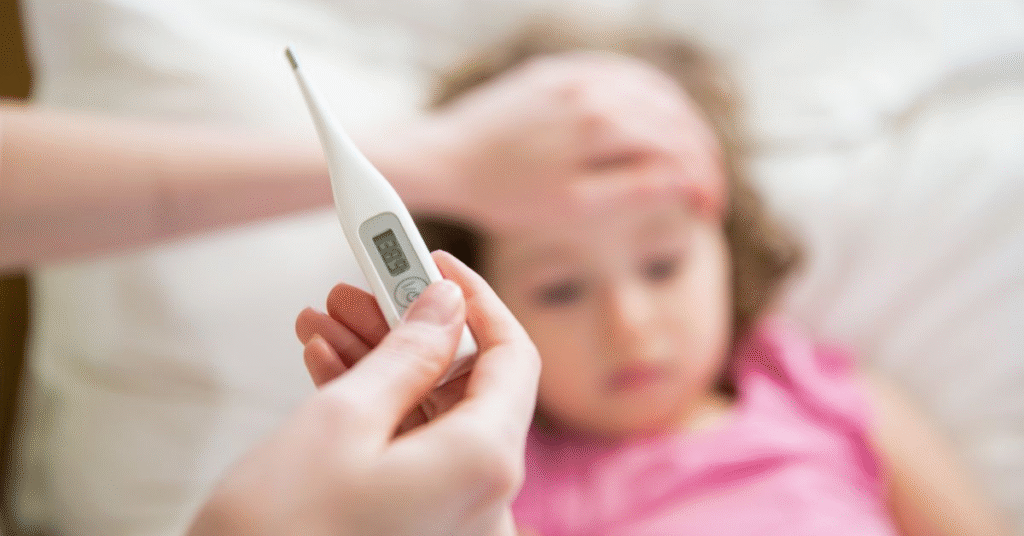
Dengue symptoms usually start 4–10 days after a mosquito bite. The first phase often looks like a typical viral infection, which makes it easy to miss.
Common early symptoms include:
- High fever (often sudden and above 39°C)
- Severe headache
- Pain behind the eyes
- Body aches and joint pain
- Poor appetite
- Nausea or vomiting
- Weakness and tiredness
- Skin rash (in some children)
Most children improve within a few days, but some may enter a more serious phase. Parents need to watch closely for warning signs.
When Is Dengue Dangerous?
Around the time the fever begins to come down, usually day 3 to day 7, some children may develop Dengue Warning Signs, which indicate a higher risk of complications such as dehydration or internal bleeding.
Seek urgent medical care if your child shows any of these:
- Persistent vomiting
- Severe tummy pain
- Bleeding from the nose or gums
- Blood in vomit or stool
- Very tired, restless, or confused
- Difficulty breathing
- Cold, sweaty hands and feet
- No urine for more than 6–8 hours
- Sudden drop in fever with worsening weakness
These signs do not mean the child will definitely become seriously ill, but they require prompt medical supervision.
Why Do Children Get Worse When Fever Drops?
Many parents feel relieved when the fever suddenly disappears. However, dengue behaves differently from most viral infections. When the fever drops, the body may enter a “critical phase” where fluid can leak from blood vessels into surrounding tissues. This can lead to dehydration, poor circulation, or, in severe cases, shock.
This period usually lasts 24–48 hours, and careful observation is key.
How Is Dengue Diagnosed?
Doctors may order tests such as:
- NS1 antigen test (detects virus early)
- Dengue IgM/IgG antibodies
- Complete blood count to check platelet levels and haematocrit.
- Additional tests if complications are suspected.
Regular monitoring is important to detect sudden changes.
How Is Dengue Treated?
There is no specific antiviral medicine for dengue. Treatment focuses on safety and comfort:
At Home:
- Offer plenty of fluids: oral rehydration solution (ORS), water, juices, soups, coconut water.
- Give fever relief with paracetamol only.
- Avoid ibuprofen, aspirin, or other NSAIDs because they can increase bleeding risk.
- Encourage rest and light meals.
- Watch for warning signs every few hours.
In the Hospital (if needed):
- IV fluids to prevent dehydration.
- Frequent monitoring of platelet count and blood levels
- Treatment for vomiting, pain, or bleeding
- Oxygen or advanced care if complications arise.
Most children do not need hospitalization if they stay well hydrated and keep improving.
What About Platelets?
Many parents worry about platelet counts. A falling platelet count is common in dengue and does not always mean the illness is severe. What matters more is:
- Hydration status
- Presence of warning signs
- Changes in haematocrit
- The child’s overall appearance and behaviour
Doctors look at the whole picture, not platelets alone.
How Long Does Recovery Take?
Most children start improving after day 5 or 6. Once the critical phase is over, their appetite returns, energy increases, and the fever stays away. Full recovery may take 1–2 weeks depending on age and severity.
How Can Parents Prevent Dengue?
Prevention focuses on mosquito control:
- Remove standing water around your home every 2–3 days.
- Keep water containers covered.
- Use window screens and mosquito nets.
- Apply child-safe mosquito repellent, especially during daytime.
- Dress children in long sleeves and light-coloured clothing.
- Use mosquito coils or electric repellents cautiously.
Schools, communities, and households must work together for effective control.
Final Thoughts
Dengue can be frightening for parents, especially when symptoms change quickly. The good news is that most children recover safely with early recognition, proper hydration, and close monitoring. Understanding warning signs is more important than worrying about platelets or relying on home remedies.
If you ever feel unsure about your child’s symptoms, even if they seem mild, do not hesitate to contact a healthcare professional. Early assessment can prevent complications and give your child the best chance of a smooth recovery.