


Picture Quiz 1

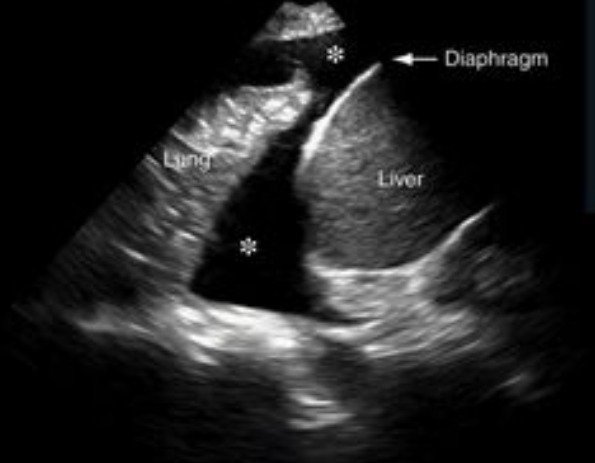
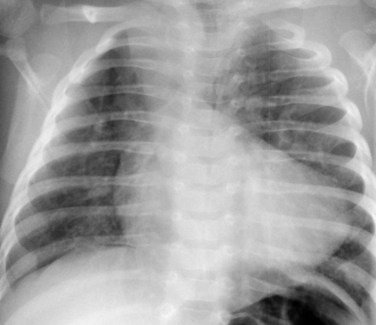
An 8-year-old child is on postoperative day four following repair of Tetralogy of Fallot. He has been recovering well in the PICU until the recent onset of labored breathing and decreased breath sounds on the right side. The chest drain was removed yesterday. His oxygen requirement has risen from room air to high-flow nasal cannula at 40% FiO₂. He appears fatigued, with mild tachycardia and poor appetite, and the nursing staff reports difficulty maintaining a stable fluid and electrolyte balance. A chest X-ray reveals moderate right-sided pleural effusion. Drain was inserted on the right side, and the following fluid was noticed. The surgical team suspects a postoperative complication related to thoracic duct injury.

Question: What condition has most likely developed in this patient?

Answer:

The most likely diagnosis is chylothorax, caused by leakage of lymphatic fluid into the pleural space following cardiac surgery. Other differential possibilities include empyema, parapneumonic effusion, or postoperative serosanguinous effusion. Still, the rapid rise in milky drainage, cardiorespiratory impact, and context of thoracic surgery strongly support chylothorax as the primary diagnosis.

Chylothorax Treatment Pathway in PICU (All Evidence-Based Options)

Step 1 — Stabilization & Supportive Management: An 8-year-old child is on postoperative day four following repair of Tetralogy of Fallot. He has been recovering well in the PICU until the recent onset of labored breathing and decreased breath sounds on the right side. The chest drain was removed yesterday. His oxygen requirement has risen from room air to high-flow nasal cannula at 40% FiO₂. He appears fatigued, with mild tachycardia and poor appetite, and the nursing staff reports difficulty maintaining a stable fluid and electrolyte balance. A chest X-ray reveals moderate right-sided pleural effusion. Drain was inserted on the right side, and the following fluid was noticed. The surgical team suspects a postoperative complication related to thoracic duct injury.

Question: What condition has most likely developed in this 

  • Maintain adequate ventilation and oxygenation (may require escalation if effusion compromises lungs)
  • Continue chest tube drainage to prevent respiratory compromise
  • Monitor strict intake/output and fluid balance
  • Daily weight and nutritional monitoring
  • Correct electrolyte abnormalities (especially Ca²⁺, Mg²⁺, Na⁺)
  • Assess for hemodynamic instability if large-volume losses occur

Step 2 — Nutrition Modification (First-line)

Goal: reduce chyle flow through the thoracic duct

Options include:

  1. MCT-based low-fat enteral diet
  • Reduces lymphatic fat absorption
  • Common initial trial
  1. Nil Per Os (NPO) + Total Parenteral Nutrition (TPN)
  2. • Used if drainage remains high
  3. • Allows the lymphatic system to rest completely

Response expected within 5–7 days.

Step 3 — Pharmacologic Therapy

  • Octreotide infusion (somatostatin analog)
  • Reduces lymphatic flow and GI secretions
  • Used when drainage remains high despite dietary modification
  • Monitor glucose, thyroid function, and splanchnic ischemia

Step 4 — Ongoing Drain Management

  • re-accumulation.
  • Interventional lymphangiography + embolization. Targeted minimally invasive closure of the leak.
  • Pleuroperitoneal shunt (last-line option). For chronic refractory cases.

Step 6 — Immune System Protection

  • Replace immunoglobulins if significant lymphocyte and protein losses.
  • Vaccination considerations if long-term drainage persists.
  • Strict infection surveillance (due to increased susceptibility)
  • Assess daily chest tube output
    • Low-output chylothorax <10 mL/kg/day — likely resolves conservatively
    • High-output chylothorax >10 mL/kg/day for >2–3 days — escalate treatment
  • Prevent infection around the chest drain site
  • Consider replacement if the tube becomes blocked or incorrectly positioned

Step 5 — Interventional / Surgical Approaches

Indicated when:

  • Persistent drainage for>2 weeks despite conservative therapy
  • Hemodynamic compromise
  • Worsening malnutrition or immunosuppression

Options:

  • Thoracic duct ligation (VATS preferred if feasible) – Particularly effective if the injury site is known.
  • Pleurodesis (chemical or mechanical) promotes pleural adhesion to prevent fluid 🔍 Summary Flow

Confirm diagnosis → Optimize drainage + dietary fat restriction → Add octreotide if needed → Evaluate output trend → Surgical/interventional option if persistent → Immunologic & nutritional recovery support.

Leave a Comment