

Identify the machine.
Answer: It is an ECMO machine, which is used to support the heart and lungs depending on the condition.
Pediatric ECMO Case-Based Summary and Complete Management Walkthrough
Case Stem (Initial Presentation)
A 4-year-old boy, weight 16 kg, previously healthy, presents to the ED with:
⦁ 5 days of fever
⦁ Cough and progressive respiratory distress
⦁ Poor oral intake
⦁ Increasing work of breathing despite oxygen
On arrival:
⦁ HR 165/min
⦁ RR 48/min
⦁ BP 82/45 mmHg
⦁ SpO₂ 84% on non-rebreather
⦁ Capillary refill 4 seconds
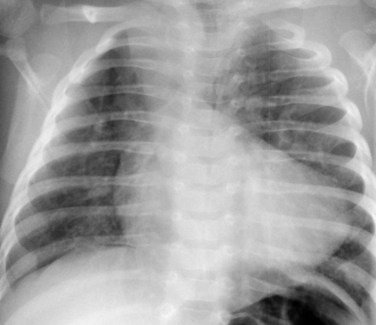
Chest X-ray: bilateral diffuse infiltrates. ABG on 15 L NRB:
⦁ pH 7.21, PaCO₂ 58 mmHg, PaO₂ 48 mmHg, Lactate 5.2 mmol/L.
Question 1
What is the most likely working diagnosis at this stage?
A. Bronchiolitis
B. Severe pneumonia with septic shock
C. Acute asthma exacerbation
D. Cardiogenic pulmonary edema
✅ Correct Answer: B
Question 2
Which immediate priorities are correct? (Select ALL)
A. Early intubation
B. Broad-spectrum antibiotics
C. Fluid bolus with reassessment
D. Echocardiography
E. High-dose steroids
✅ Correct Answers: A, B, C, D
Question 3
After intubation and lung-protective ventilation:
⦁ PIP 32 cmH₂O, PEEP 12 cmH₂O, FiO₂ 1.0
ABG after 1 hour:
⦁ pH 7.12, PaCO₂ 72 mmHg, PaO₂ 54 mmHg, OI = 42
What does this indicate?
A. Mild ARDS
B. Moderate ARDS
C. Severe ARDS
D. Ventilator malfunction
✅ Correct Answer: C
Question 4
Which adjunctive therapies should be initiated BEFORE ECMO?
A. Prone positioning
B. Neuromuscular blockade
C. Inhaled nitric oxide
D. Recruitment maneuvers
E. High-frequency oscillation
✅ Correct Answers: A, B, C
⚠️ HFOV depends on institutional practice
Question 5
Despite optimal care for 12 hours:
⦁ OI persistently >40, Rising lactate (7 mmol/L), Hypotension requiring high-dose vasoactives
What is the next step?
A. Increase ventilator pressures
B. Add a second vasopressor
C. Initiate ECMO consultation
D. Start steroids
✅ Correct Answer: C
1. Final Diagnosis
⦁ Primary: Severe pediatric ARDS due to viral/bacterial pneumonia
⦁ Secondary: Septic shock with evolving multiorgan dysfunction
⦁ Indication for ECMO: Refractory hypoxemic respiratory failure
2. ECMO Decision-Making
Indications Met
⦁ Oxygenation Index >40
⦁ Refractory hypoxemia despite optimal ventilation
⦁ High mortality risk (>80%) without ECMO
⦁ Potentially reversible lung disease
No Contraindications
⦁ No intracranial hemorrhage
⦁ No irreversible neurologic injury
⦁ No lethal chromosomal anomalies
3. ECMO Mode Selection
Which Mode?
👉 Veno-Venous (VV) ECMO
Rationale:
⦁ Primary respiratory failure
⦁ Echocardiography: normal LV and RV function
⦁ Shock is distributive, not cardiogenic
4. Cannulation Strategy (Pediatric)
⦁ Drainage: Right femoral vein
⦁ Return: Right internal jugular vein
⦁ Cannula size: Weight-based (14–17 Fr typical)
⦁ Ultrasound + echo guided
5. ECMO Initiation Parameters
⦁ Flow: 100–120 mL/kg/min
⦁ Sweep gas: Adjust to PaCO₂
⦁ FiO₂: 1.0 initially
⦁ Target SpO₂: 88–95%
6. Ventilator Strategy on ECMO (Lung Rest)
⦁ PIP ≤ 25 cmH₂O
⦁ PEEP 10–12 cmH₂O
⦁ RR 10–15/min
⦁ FiO₂ ≤ 0.4
Goal: Prevent ventilator-induced lung injury
7. Anticoagulation
⦁ Unfractionated heparin
⦁ Target:
⦁ ACT: 180–220 sec OR
⦁ Anti-Xa: 0.3–0.7 IU/mL
Monitoring:
⦁ Platelets, Fibrinogen, D-dimer, TEG (if available)
8. Infection & Sepsis Management
⦁ Broad-spectrum antibiotics → de-escalation
⦁ Daily cultures
⦁ Source control
⦁ CRP / Procalcitonin trending
9. Hemodynamic Management
⦁ Reduce vasopressors as oxygen delivery improves
⦁ Maintain MAP > age-appropriate threshold
⦁ Daily echocardiography
10. Nutrition
⦁ Early enteral feeding (within 24–48 h)
⦁ Protein-rich nutrition
⦁ Avoid overfeeding
11. Sedation & Neuromuscular Blockade
⦁ Deep sedation initially
⦁ Daily sedation assessment
⦁ Avoid prolonged paralysis
12. Common ECMO Complications (Pediatric)
Mechanical
⦁ Circuit clot, Oxygenator failure, Cannula malposition
Medical
⦁ Bleeding (intracranial, pulmonary), Thrombosis, Infection, Acute kidney injury
13. Neurological Monitoring
⦁ Daily neurologic exams
⦁ Head ultrasound / CT if concern
⦁ Avoid hypo- or hypercarbia
14. Weaning from ECMO
Criteria
⦁ Improving lung compliance
⦁ PaO₂ > 80 mmHg on FiO₂ ≤ 0.4
⦁ Minimal sweep gas
⦁ Stable hemodynamics
Trial Off
⦁ Reduce sweep
⦁ Observe gas exchange
⦁ Decannulate if stable
15. Decannulation & Recovery
⦁ Surgical decannulation,
⦁ Post-ECMO lung recruitment
⦁ Gradual ventilator weaning
⦁ Early physiotherapy